
SafeWork Prohibition Notice Lawyer Sydney and NSW
Has a SafeWork NSW inspector stopped work on your site? Speak with Eric straight away. Eric advises NSW businesses on what a prohibition notice requires, how to get work moving again lawfully and how to seek a stay or review.
Phone, video and in-person consultations. Monday to Saturday.
What Is a SafeWork NSW Prohibition Notice?
Short answer: A prohibition notice stops an activity at a workplace, or stops it being done in a certain way, because an inspector believes it involves a serious risk to health or safety from an immediate or imminent exposure to a hazard. The activity must not continue until an inspector is satisfied the risk has been fixed. Not complying carries a maximum penalty of $773,754 for a company.
If Work Has Been Stopped
Comply with the direction immediately. Then get advice on what must be fixed and how to have work cleared to restart.
- Stop the activity named in the notice
- Make the area safe and record what you do
- Work out what the inspector needs to see
- Consider a review and request a stay
An inspector can give a direction prohibiting an activity if they reasonably believe the activity is occurring, or may occur, and involves a serious risk to the health or safety of a person emanating from an immediate or imminent exposure to a hazard (s 195). The direction can be given orally on the spot, but must be confirmed by a written prohibition notice as soon as practicable.
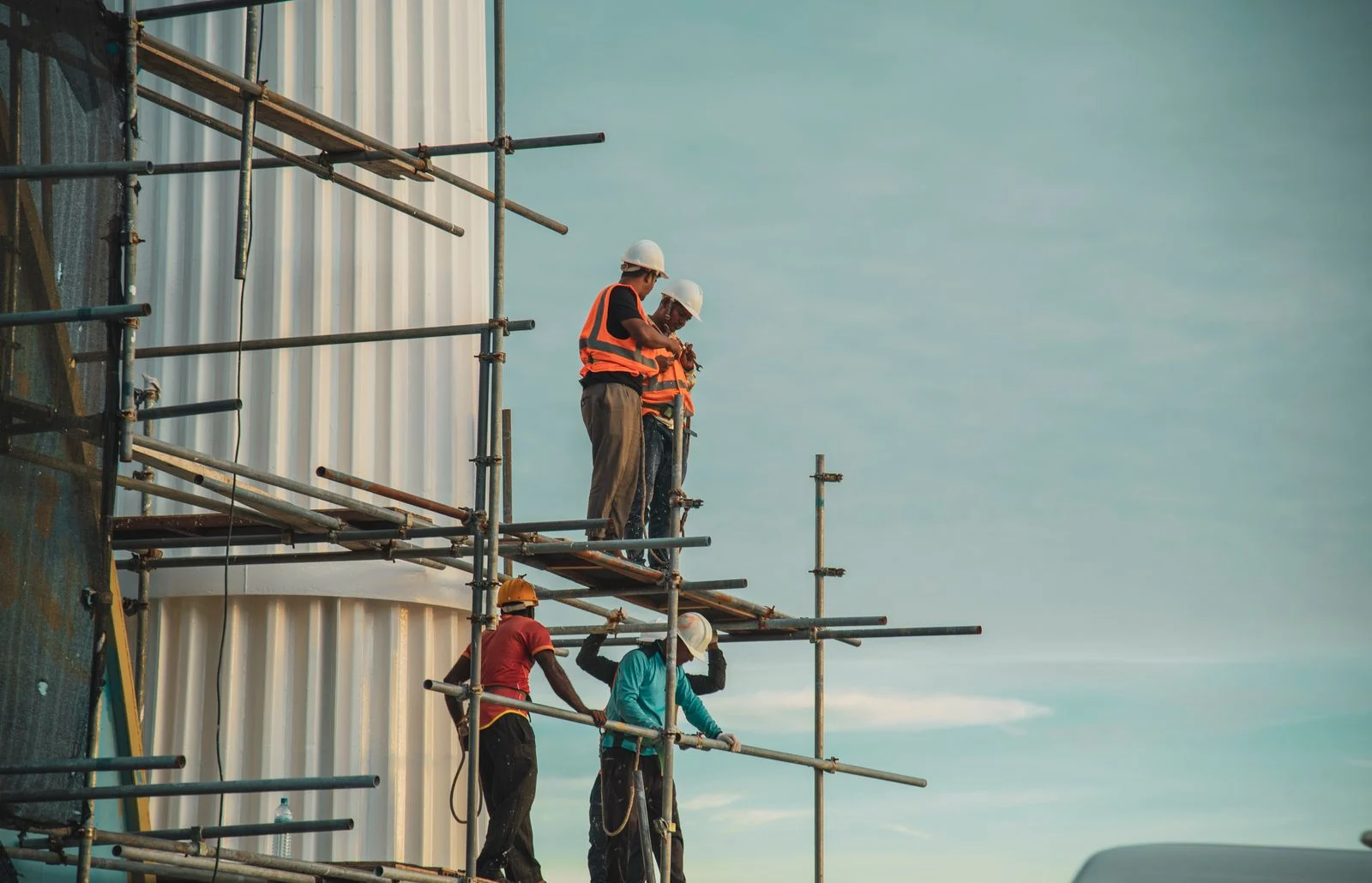
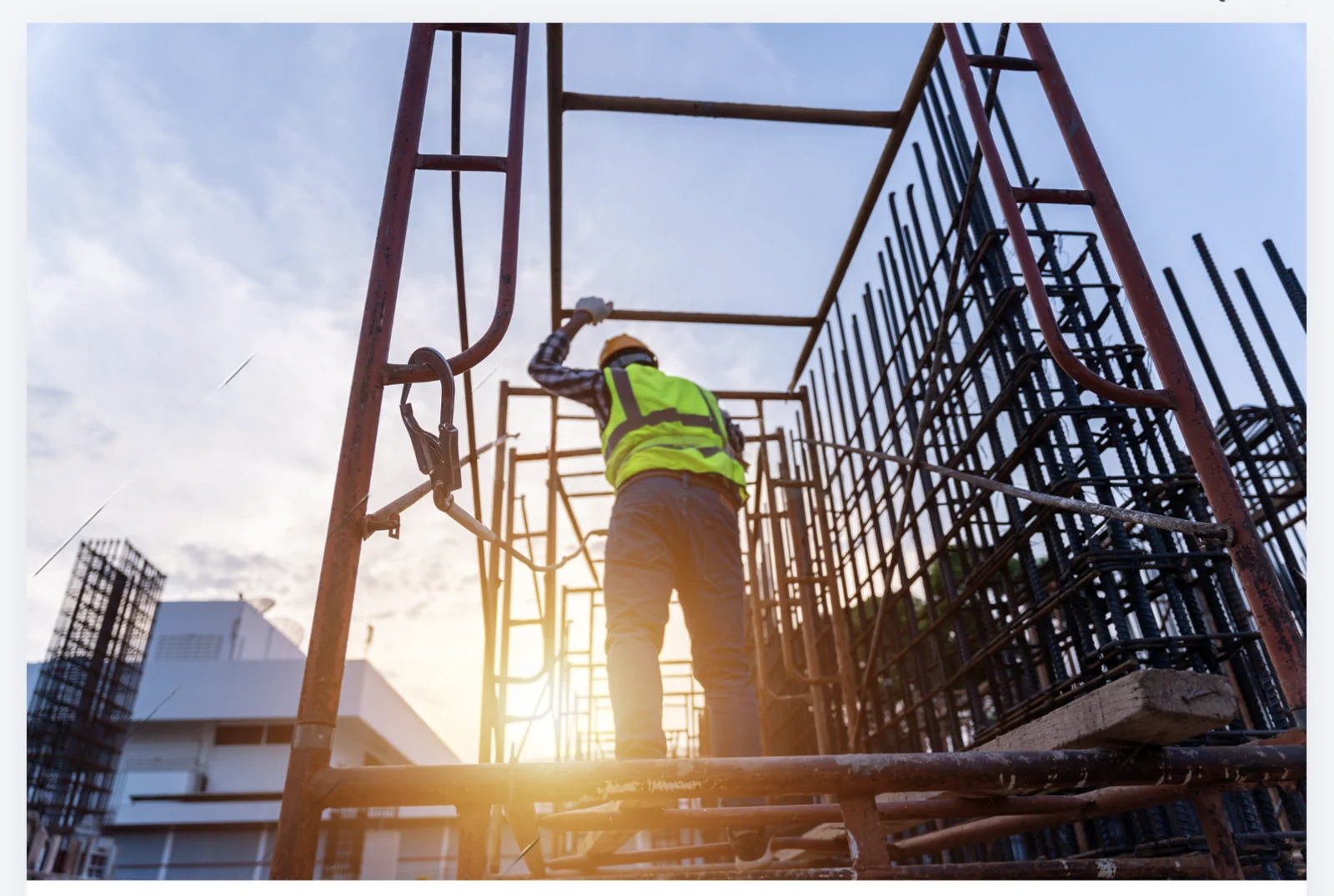
SafeWork NSW gives the example of unsafe scaffolding: work on or around it can be stopped until it is fixed. A prohibition notice often means lost time, delayed projects and a possible investigation into how the risk arose.
Where This Fits in a SafeWork NSW Matter
Most SafeWork NSW matters move through the same stages. Early advice gives you the most options.
- IncidentA death, serious injury or dangerous incident brings SafeWork NSW in.
- InvestigationInspectors visit, ask questions and require documents.
- NoticesImprovement, prohibition or penalty notices may be issued.You are here
- ProsecutionCharges may be laid against the business, its officers or both.
- OutcomeA Court outcome, or an enforceable undertaking instead.
What a Prohibition Notice Must Contain
Under section 196 of the WHS Act, a prohibition notice must state:
The inspector’s belief
That the inspector believes grounds exist for the notice, and the basis for that belief.
The activity
Briefly, the activity the inspector believes involves or will involve the serious risk, and the matters that give rise to it.
Any provision involved
If the inspector believes a provision of the Act is being or is likely to be contravened, that provision and how.
Directions
The notice may include directions on the measures to be taken to remedy the risk or the activity.
Penalties for Not Complying
A person given a direction or prohibition notice must comply with it (s 197). Not complying is one of the most serious notice offences under the WHS Act. Maximum penalties for 2026–27:
Company (body corporate)
$773,754
6,028 penalty units
Individual
$154,802
1,206 penalty units
One penalty unit is $128.36 from 1 July 2026. SafeWork NSW’s prosecution guidelines list failure to comply with a prohibition notice as a priority matter for prosecution.
The Real Cost of a Prohibition Notice
A prohibition notice can hurt a business well before any Court case. Breaching one makes it far worse:
Work stopped
A prohibition notice can stop an activity on the spot until an inspector is satisfied the risk is fixed, causing delays, lost revenue and contract problems.
A criminal conviction
A WHS prosecution is a criminal proceeding. A conviction can be recorded against the company, its officers or both, and an individual who is convicted has a criminal record.
Your name made public
SafeWork NSW publishes summaries of prosecutions that end in a conviction, and issues media releases naming companies and directors.
Licences suspended or cancelled
SafeWork NSW can suspend or cancel licences such as high-risk work and asbestos licences, including immediate suspension for an imminent serious risk, followed by a disqualification period.
Directors exposed personally
Officers can be prosecuted separately from the company for failing to exercise due diligence, with their own fines and, for the most serious offences, imprisonment.
Costs
You may be ordered to pay the prosecutor’s legal costs, on top of the fine and your own legal costs.
Sources: Work Health and Safety Act 2011 (NSW) ss 27, 236–241, 272A; SafeWork NSW, Prosecutions; SafeWork NSW, Policy for publishing details of WHS penalty notices; SafeWork NSW, Don’t lose your High Risk Work licence; SafeWork NSW media releases.
How to Get Work Moving Again
Comply and make the site safe
Stop the activity, secure the area and document the controls you put in place.
Fix the risk the notice identifies
Address the matters set out in the notice and any directions about the measures to be taken.
Ask an inspector to clear the notice
The activity can resume once an inspector is satisfied the matters giving rise to the risk have been remedied.
Seek a review and a stay if you disagree
An eligible person can apply for an internal review within 14 days. A prohibition notice is not automatically stayed: you must ask for a stay, which SafeWork NSW must decide within one working day or it is taken to be granted.
External review
If you disagree with the internal review decision, you can apply to the Industrial Relations Commission of NSW within 14 days.
Source: SafeWork NSW, Internal review of inspector and regulator decisions.
How Eric Can Help With a Prohibition Notice
Urgent advice
Fast advice on what the notice stops, what it does not stop and how to keep the rest of the business running.
Stay and review
Requesting a stay and preparing an internal or external review where the notice should not have been issued.
Liaising with SafeWork NSW
Dealing with the inspector on what must be remedied for the notice to be lifted.
Investigation risk
Protecting your position if SafeWork NSW investigates how the risk arose.
Officer exposure
Advice for directors and managers on their personal due diligence duty.
Court defence
If you are charged, Eric will defend you and represent you in Court.
Related SafeWork NSW Matters
Eric acts across the full range of SafeWork NSW matters, from the first inspector contact to Court. See all SafeWork NSW defence services.
SafeWork Investigations and Interviews
Inspector visits, interviews, requests for documents and your rights during a SafeWork NSW investigation.
Find out moreSection 155 Notices
A compulsory notice to give information, produce documents or attend to answer questions.
Find out moreImprovement Notices
A direction to fix an alleged WHS contravention by a set date, and how to seek a review.
Find out moreSafeWork Penalty Notices
On-the-spot WHS fines: whether to pay, seek a review or have a Court decide.
Find out moreNotifiable Incidents
Deaths, serious injuries and dangerous incidents: notifying SafeWork NSW and preserving the site.
Find out moreWHS Prosecutions
Defending Category 1, 2 and 3 charges under the Work Health and Safety Act 2011 (NSW).
Find out moreIndustrial Manslaughter
The most serious WHS offence in NSW, with up to 25 years imprisonment or a $20 million fine.
Find out moreDirectors and Officers
Personal due diligence duties and prosecutions of directors, managers and other officers.
Find out moreEnforceable Undertakings
A legally binding alternative to prosecution, and when SafeWork NSW may accept one.
Find out moreProhibition Notice FAQs
Can an inspector stop work without a written notice?
Yes. Under section 195 of the WHS Act an inspector can give the direction orally, but it must be confirmed in a written prohibition notice as soon as practicable.
How long does a prohibition notice last?
Until an inspector is satisfied that the matters giving rise to the risk have been remedied. There is no fixed end date.
Is a prohibition notice stayed if I apply for a review?
No, not automatically. You must request a stay. SafeWork NSW must decide the request within one working day, and if it does not, the stay is taken to be granted.
What is the penalty for breaching a prohibition notice?
For 2026–27 the maximum penalty is $773,754 for a company and $154,802 for an individual (s 197).
What is the difference between an improvement notice and a prohibition notice?
An improvement notice requires a breach to be fixed by a set date, and work can usually continue. A prohibition notice stops an activity immediately because of a serious risk from an immediate or imminent exposure to a hazard.
Will I be prosecuted after a prohibition notice?
Not necessarily, but a prohibition notice often follows or leads to an investigation. Get advice before you give statements or documents to SafeWork NSW.
Related Guides
Practical guides from Eric Navea on SafeWork NSW notices and workplace safety laws.
Latest SafeWork NSW Articles
Practical guides from Eric Navea for NSW businesses, directors and officers dealing with SafeWork NSW.
View all SafeWork NSW articlesLatest articles will load here on the live page.
Facing a SafeWork NSW Investigation or Prosecution?
If SafeWork NSW has contacted your business, issued a notice or served Court documents, speak with Eric before making important decisions.

Request a Confidential Consultation
This page is general information only and is not legal advice. It was last reviewed in November 2026. Penalty amounts are indexed each financial year and the law may change. Sources: Work Health and Safety Act 2011 (NSW) ss 195–197, 223–229; SafeWork NSW, Improvement, prohibition and penalty notices; SafeWork NSW, Internal review of inspector and regulator decisions; SafeWork NSW Prosecution Guidelines. Get advice about your specific circumstances.