

SafeWork Section 155 Notice Lawyer Respond Properly and On Time
Received a section 155 notice from SafeWork NSW? Speak with Eric before you respond. Eric advises what the notice actually requires, what you can withhold and how to respond on time.
Phone, video and in-person consultations. Monday to Saturday.
What Is a Section 155 Notice?
Short answer: A section 155 notice is a written notice from SafeWork NSW requiring a person to give information in writing, produce documents, or appear and give evidence. It is compulsory. Failing to comply without a reasonable excuse is an offence with a maximum penalty of $77,914 for a company and $15,531 for an individual.
When the Notice Arrives
Do not ignore it and do not send everything you have. Work out exactly what is required first.
- Diary the deadline in the notice
- Identify each item it requires
- Check for privileged documents
- Get advice before you respond
SafeWork NSW can issue a section 155 notice if it has reasonable grounds to believe a person can give information, documents or evidence about a possible breach of the WHS Act, or that will help it monitor or enforce compliance. The notice can go to a business, an officer, a worker or a third party.
A section 155 notice is often the first formal step in an investigation. What you produce can become evidence, so the response should be accurate, complete and limited to what is actually required.

Where This Fits in a SafeWork NSW Matter
Most SafeWork NSW matters move through the same stages. Early advice gives you the most options.
- IncidentA death, serious injury or dangerous incident brings SafeWork NSW in.
- InvestigationInspectors visit, ask questions and require documents.You are here
- NoticesImprovement, prohibition or penalty notices may be issued.
- ProsecutionCharges may be laid against the business, its officers or both.
- OutcomeA Court outcome, or an enforceable undertaking instead.
What a Section 155 Notice Can Require
Under section 155(2), the notice can require a person to do one or more of the following:
Give information in writing
Information the person knows, in writing signed by the person or, for a company, by a competent officer, within the time and in the manner stated.
Produce documents
The documents described in the notice, in accordance with the notice.
Appear and give evidence
Appear before a person appointed by SafeWork NSW at a reasonable day, time and place, to give evidence orally or in writing and produce documents.
SafeWork NSW can only require you to appear if it has first taken all reasonable steps to get the information in writing or by producing documents and has been unable to (s 155(4)).
What the Notice Must Say
A valid section 155 notice must (s 155(3)):
- State that the requirement is made under section 155
- State that failing to comply with a requirement is an offence
- Explain the effect of section 172 (self-incrimination) and section 269 (legal professional privilege), if it requires information, documents or answers
- State that the person may attend with a legal practitioner
If a notice is missing these statements, get advice before you respond. Courts have held that the requirements of a section 155 notice must be strictly met.
Penalties and Protections
Company (body corporate)
$77,914
607 penalty units, for failing to comply without a reasonable excuse
Individual
$15,531
121 penalty units, for failing to comply without a reasonable excuse
You cannot refuse to give information on the ground that it may incriminate you. However, information or documents provided by an individual are not admissible against that individual, except in proceedings about false or misleading information (s 172). Documents protected by legal professional privilege do not have to be produced (s 269). The accused bears an evidential burden to show a reasonable excuse (s 155(6)).
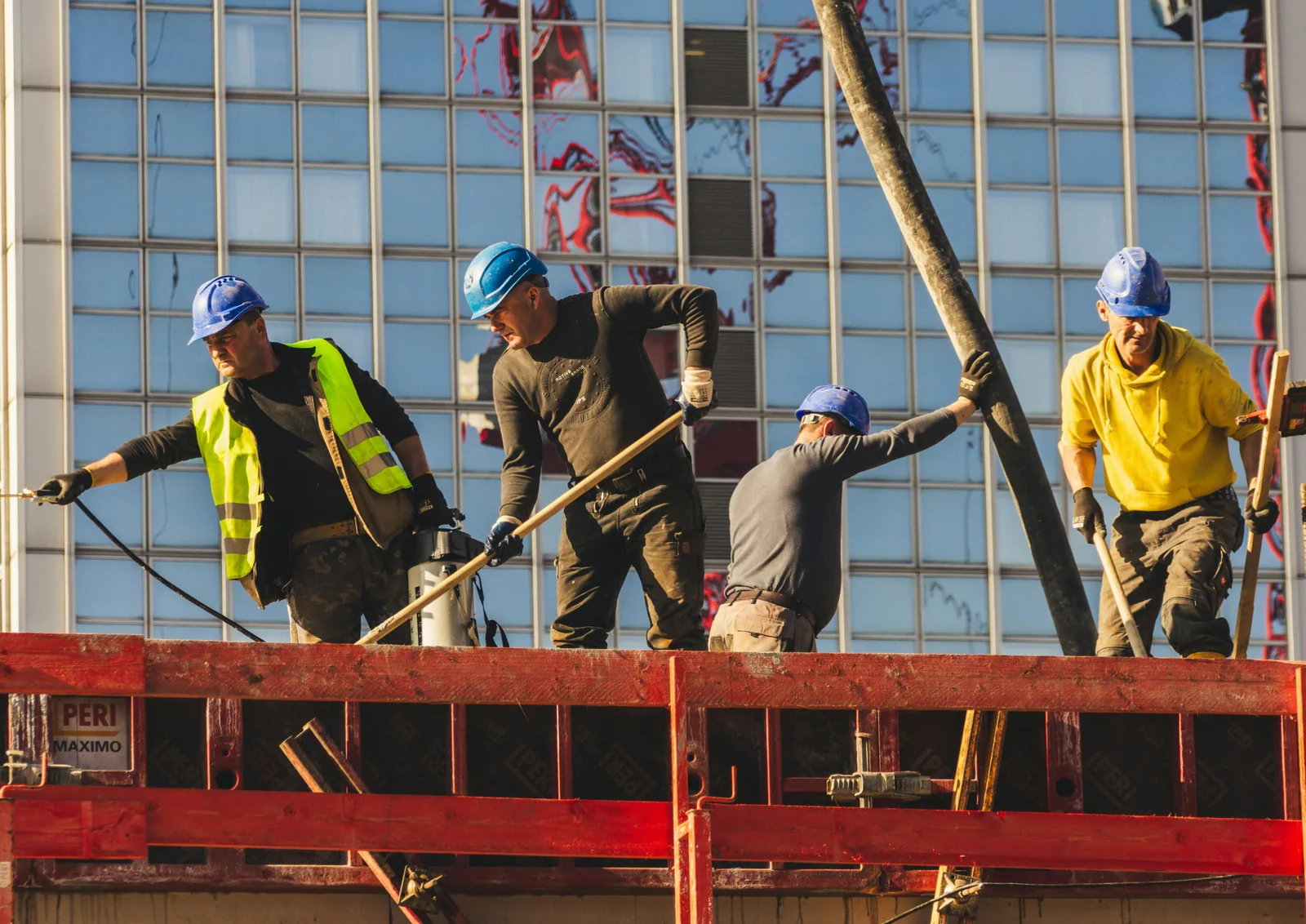
What Is at Risk When You Respond to a Section 155 Notice
Your response can become evidence. If the investigation leads to charges, the consequences can include:
A criminal conviction
A WHS prosecution is a criminal proceeding. A conviction can be recorded against the company, its officers or both, and an individual who is convicted has a criminal record.
Your name made public
SafeWork NSW publishes summaries of prosecutions that end in a conviction, and issues media releases naming companies and directors.
Directors exposed personally
Officers can be prosecuted separately from the company for failing to exercise due diligence, with their own fines and, for the most serious offences, imprisonment.
Costs
You may be ordered to pay the prosecutor’s legal costs, on top of the fine and your own legal costs.
No insurance for fines
It is an offence to take out, or benefit from, insurance or an indemnity that covers a WHS fine (s 272A). The business or individual pays.
Reputation and future work
Notices, convictions and publicity can affect tenders, principal contractor approvals, insurers and client relationships.
Sources: Work Health and Safety Act 2011 (NSW) ss 27, 236–241, 272A; SafeWork NSW, Prosecutions; SafeWork NSW, Policy for publishing details of WHS penalty notices; SafeWork NSW, Don’t lose your High Risk Work licence; SafeWork NSW media releases.
How Eric Can Help With a Section 155 Notice
Check the notice is valid
Whether it was properly issued, served and contains the required statements.
Work out what is required
Exactly what information and documents fall within the notice, and what does not.
Protect privileged material
Identifying legal advice and other privileged documents that should not be produced.
Negotiate time and scope
Asking SafeWork NSW for more time or to clarify or narrow the request where appropriate.
Prepare the response
A complete, accurate and properly signed response, delivered on time.
Attend with you
If you are required to appear and give evidence, Eric can attend with you.
Read Eric’s guide: SafeWork NSW notice to produce: what to do if you receive a section 155 notice.
Related SafeWork NSW Matters
Eric acts across the full range of SafeWork NSW matters, from the first inspector contact to Court. See all SafeWork NSW defence services.
SafeWork Investigations and Interviews
Inspector visits, interviews, requests for documents and your rights during a SafeWork NSW investigation.
Find out moreImprovement Notices
A direction to fix an alleged WHS contravention by a set date, and how to seek a review.
Find out moreProhibition Notices
An activity stopped because of an alleged serious risk, and how to get work moving again.
Find out moreSafeWork Penalty Notices
On-the-spot WHS fines: whether to pay, seek a review or have a Court decide.
Find out moreNotifiable Incidents
Deaths, serious injuries and dangerous incidents: notifying SafeWork NSW and preserving the site.
Find out moreWHS Prosecutions
Defending Category 1, 2 and 3 charges under the Work Health and Safety Act 2011 (NSW).
Find out moreIndustrial Manslaughter
The most serious WHS offence in NSW, with up to 25 years imprisonment or a $20 million fine.
Find out moreDirectors and Officers
Personal due diligence duties and prosecutions of directors, managers and other officers.
Find out moreEnforceable Undertakings
A legally binding alternative to prosecution, and when SafeWork NSW may accept one.
Find out moreSection 155 Notice FAQs
Do I have to comply with a SafeWork section 155 notice?
Yes. Refusing or failing to comply without a reasonable excuse is an offence, with a maximum penalty for 2026–27 of $77,914 for a company and $15,531 for an individual.
Can I refuse to answer because it might incriminate me?
No. Section 172 removes the privilege against self-incrimination. But information or documents you provide as an individual cannot be used against you, except in proceedings about false or misleading information.
Do I have to hand over legal advice?
No. Section 269 of the WHS Act preserves legal professional privilege, so privileged documents do not have to be produced.
Can I bring a lawyer if I am required to attend?
Yes. A section 155 notice must state that you may attend with a legal practitioner.
How long do I have to respond to a section 155 notice?
The time is set out in the notice. If you need more time, ask SafeWork NSW in writing before the deadline.
Is a section 155 notice the same as an NHVR notice to produce?
No. A section 155 notice is issued by SafeWork NSW under the WHS Act. The NHVR issues its own notices under the Heavy Vehicle National Law. Eric advises on both.
Related Guides
Practical guides from Eric Navea on SafeWork NSW notices and workplace safety laws.
Latest SafeWork NSW Articles
Practical guides from Eric Navea for NSW businesses, directors and officers dealing with SafeWork NSW.
View all SafeWork NSW articlesLatest articles will load here on the live page.
Facing a SafeWork NSW Investigation or Prosecution?
If SafeWork NSW has contacted your business, issued a notice or served Court documents, speak with Eric before making important decisions.

Request a Confidential Consultation
This page is general information only and is not legal advice. It was last reviewed in November 2026. Penalty amounts are indexed each financial year and the law may change. Sources: Work Health and Safety Act 2011 (NSW) ss 155, 172, 269; SafeWork NSW, SafeWork Inspectors. Get advice about your specific circumstances.