Excessive Width:
Your vehicle or load exceeds the lawful width limit.
Width, height, length, overhang and permit breaches for operators and drivers across NSW
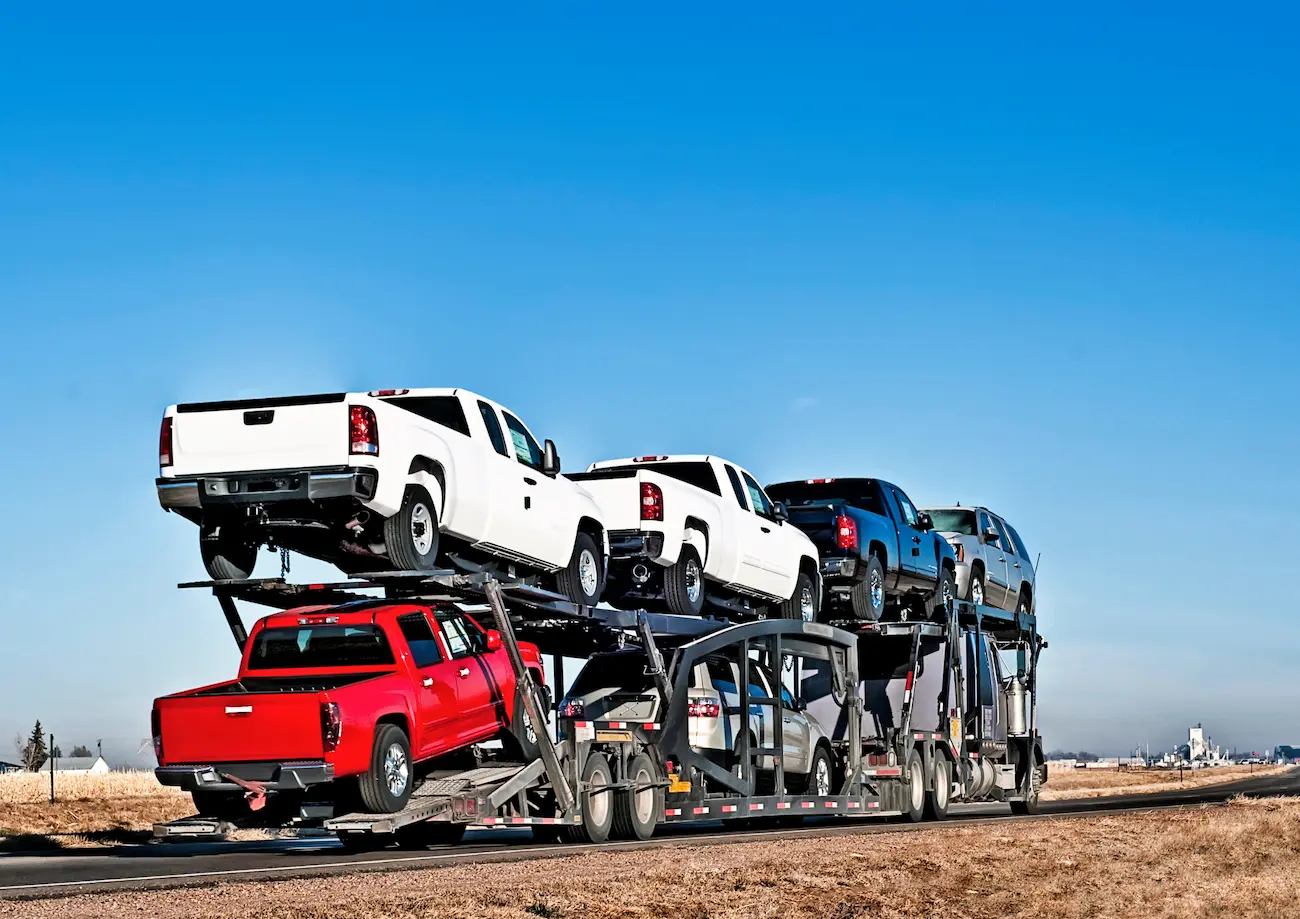
Received an NHVR infringement notice, pulled over for an oversize vehicle, or facing a Court Attendance Notice for a dimension offence? You're in the right place.
Dimension offences are some of the most heavily enforced offences under the Heavy Vehicle National Law (HVNL). A seemingly small mistake in vehicle height, width, length, rear overhang, projection, or permit compliance can result in substantial fines, prosecution, vehicle grounding, delayed deliveries, contract losses, and exposure for multiple parties in the Chain of Responsibility (CoR).
For many operators, the real cost is not the fine.
The real cost is:
Eric will explain what you've been charged with, how the breach was measured and what your options are.
A dimension offence generally occurs when a heavy vehicle exceeds a dimension limit prescribed under the Heavy Vehicle (Mass, Dimension and Loading) National Regulation. This can involve:
Your vehicle or load exceeds the lawful width limit.
Your vehicle or load exceeds the lawful height limit.
Your vehicle or combination exceeds permitted length requirements.
The rear projection exceeds what is legally permitted.
The front projection extends beyond lawful limits.
Loads extending beyond vehicle sides without lawful authority.
Operating outside permit conditions.
Breaching conditions contained in an applicable notice.
Failing to comply with operational requirements applying to oversize vehicles.
Using roads not approved for the vehicle's dimensions.
General breaches of the dimension provisions contained within the HVNL and MDL Regulations.
A general access heavy vehicle must stay within these limits:
| Dimension | General limit |
|---|---|
| Width | 2.5 m, or up to 2.55 m for vehicles that qualify as safer freight vehicles |
| Height | 4.3 m |
| Length | 20 m for a prime mover and semitrailer or a rigid truck and trailer (from 1 August 2026, previously 19 m, with conditions). Other combinations have their own limits |
A vehicle that goes over a general mass or dimension limit needs a notice or permit to travel, and it must stick to the conditions and approved routes in that notice or permit.
The 20 m length depends on the combination meeting braking and other requirements. Source: NHVR, Changes to Mass and Dimension Requirements fact sheet, August 2026.
For laden vehicles, the NHVR grades dimension breaches by risk as minor, substantial or severe. For unladen vehicles, a breach is treated as an individual dimension breach and isn’t categorised.
| Breach | Minor | Substantial | Severe |
|---|---|---|---|
| Width | Up to 39 mm over | 40 to 79 mm over | 80 mm or more over |
| Height | Up to 149 mm over | 150 to 299 mm over | 300 mm or more over |
| Length | Up to 349 mm over | 350 to 599 mm over | 600 mm or more over |
| Rear overhang | Up to 349 mm over | 350 to 599 mm over | 600 mm or more over |
| Projecting loads | Up to 39 mm over | 40 to 79 mm over | 80 mm or more over |
The lowest category.
Still prosecutable.
Still capable of resulting in significant financial penalties.
A more serious breach.
The excess dimension has reached a level where NHVR considers the risk significantly increased.
The most serious category of dimension breach.
Often results in:
| Breach | Maximum court penalty | Infringement amount |
|---|---|---|
| Minor risk (laden) | $5,630 | $563 |
| Substantial risk (laden) | $8,480 | $848 |
| Severe risk (laden) | $14,120 | Not available. Goes to court |
| Unladen vehicle | $5,630 | $563 |
| Rear projection warning signals | $4,230 | $423 |
Source: NHVR Schedule of Infringement Penalties and Demerit Points, 1 August 2026 to 30 June 2027. Dimension offences don’t carry demerit points. Amounts are indexed every year.
Receiving a notice does not automatically mean the allegation is correct.
Gather:
Well-meant explanations to an officer or investigator can create problems later. Get advice first.
Dimension matters often turn on technical detail: how the vehicle was measured, which limit applied and whether a notice or permit covered the trip.

Loaders, consignors, schedulers, operators and other parties in the Chain of Responsibility each have their own primary duty. A dimension breach can lead the NHVR to look at how the load was planned, loaded and permitted, not just at the driver.
Practical guides from Eric Navea, written for transport businesses and drivers.
View all articlesLatest articles will load here on the live page.
It is a breach of the size limits that apply to a heavy vehicle or its load, such as width, height, length, rear overhang or a projecting load. It can also involve not complying with the conditions of a notice or permit that allows an oversize vehicle to travel.
For general access, the limits are 2.5 metres wide (up to 2.55 metres for vehicles that qualify as safer freight vehicles) and 4.3 metres high. The general length limit for a prime mover and semitrailer or a rigid truck and trailer is now 20 metres. Other combinations, such as B-doubles and road trains, have their own limits.
Yes. From 1 August 2026, the length limit for prime mover and semitrailer and rigid truck and trailer combinations increased from 19 to 20 metres, provided the combination meets braking and other requirements. B-doubles were not part of that change. Which rule applied on the day of an alleged offence matters.
A vehicle that exceeds a general mass or dimension limit has restricted access to the road network and needs a notice or permit to travel. It must then comply with all of that notice or permit’s conditions, including approved routes.
No. For laden vehicles, the NHVR grades dimension breaches as minor, substantial or severe. For unladen vehicles, a breach is treated as an individual dimension breach and is not categorised.
It depends on the dimension. A breach is severe at 80mm or more over the width or projecting load limit, 300mm or more over the height limit, and 600mm or more over the length or rear overhang limit.
Under the NHVR schedule for 1 August 2026 to 30 June 2027, a minor breach carries a maximum court penalty of $5,630 (infringement $563), a substantial breach $8,480 (infringement $848) and a severe breach $14,120. Severe breaches cannot be dealt with by infringement notice and go to court. Dimension offences don’t carry demerit points.
That can raise more than one issue. The rear overhang or projection itself may be over the limit, and there is a separate offence for not displaying the required warning signals on a rear projecting load.
Yes. Loaders, consignors, schedulers, operators and other parties in the Chain of Responsibility each have their own primary duty. A dimension breach can lead the NHVR to look at how the load was planned, loaded and permitted, not just at the driver.
Not without advice. An infringement notice lets you pay, elect to have the matter decided by a court, or ask the NHVR to review it. Each option has consequences, especially for a business with a compliance record to protect.
Whether you are:
A dimension offence is rarely just a fine. It can affect your business, your reputation and your contracts. If you've received an NHVR infringement notice, a Court Attendance Notice or compliance action, or you're under investigation, get legal advice early.
Send through what you've received and Eric will be in touch about next steps.
Call Eric 0401 937 269This page is general information only and does not replace legal advice about your specific matter. It was last reviewed in October 2026. The NHVR may update the law, penalties and policies from time to time, so check the NHVR's official publications at nhvr.gov.au.