Multiple Overmass Offences — Liverpool Local Court
Maximum penalty $200,950.
Result: $12,000 total fines.
NHVR investigations and defence for operators, directors and managers across Sydney and NSW
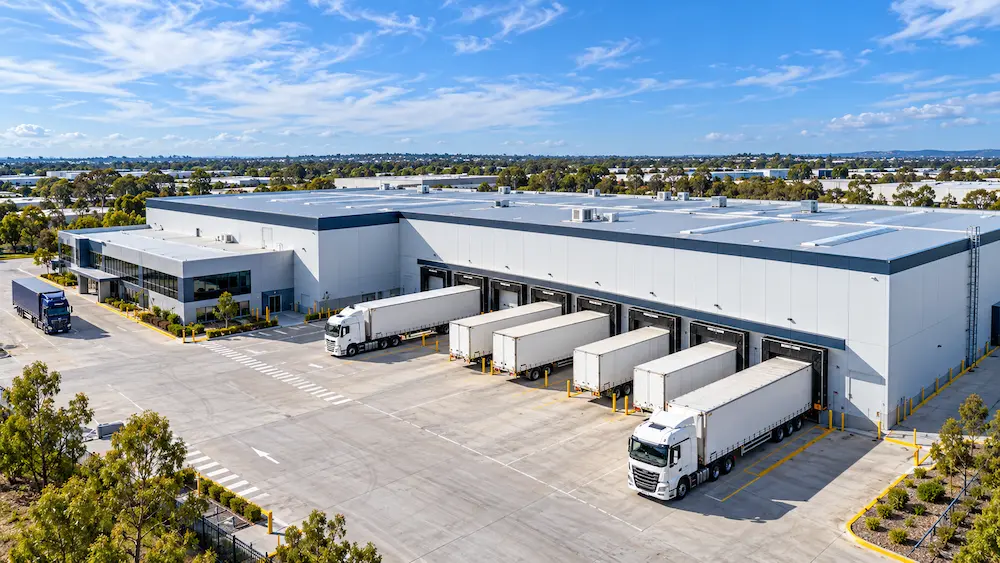
An incident involving one vehicle or one driver can quickly turn into questions about your whole operation — scheduling, fatigue management, loading, maintenance, records and supervision.
When a Chain of Responsibility duty is breached, the NHVR is most likely to investigate the company, because the business controls or influences how transport risks are managed.
Eric acts for transport operators, logistics companies, fleet owners, consignors, directors and managers. He reviews what the NHVR has sent, identifies who in the business may be exposed and advises on the right response before anything is provided.
Under the Heavy Vehicle National Law, a business or person is a Chain of Responsibility party if it performs any of these 10 functions:

Each party has a Primary Duty to ensure, so far as is reasonably practicable, the safety of its transport activities. That duty cannot be transferred or delegated, and you remain a party even when the transport work is contracted or subcontracted to someone else.
Read more about Chain of Responsibility offencesThis is a separate, personal duty. An executive can be charged even where the company is not, and the company can be charged without the executive.
Executives — including directors, officers and managers who take part in running the business — must exercise due diligence to make sure the business complies with its Primary Duty.
Executives can also be liable for certain offences committed by the business if they knowingly authorised or permitted the conduct.
Eric advises executives on their personal position as well as the company’s, and tells you early if separate representation may be needed.
The Primary Duty covers far more than what happens on the road. The NHVR can look at:
A breach of the Primary Duty doesn’t depend on breaking a specific rule like a mass limit. But a pattern of breaches of those rules can be used as evidence that the business failed in its Primary Duty.
NHVR investigators are Authorised Officers under the Heavy Vehicle National Law. During an investigation they may enter your business premises, with or without consent.
The NHVR lists seeking independent legal advice as one way a business can cooperate with an investigation. Cooperation can help bring a matter to a timely close, but it does not guarantee any particular outcome.
Legal professional privilege can protect confidential advice between you and your lawyer, but the NHVR will not accept blanket privilege claims. Each claim must be properly explained.
Investigations can end with no further action, education, an improvement notice, a supervisory intervention order, an enforceable undertaking or prosecution.
The NHVR describes a breach of the Primary Duty as the most serious breach of the Heavy Vehicle National Law. For the most serious category, the maximum penalty is more than $4.1 million for a company, and more than $424,000 or five years’ imprisonment (or both) for an individual. These figures applied from 1 July 2025 and rise each July with inflation.
In one prosecution the NHVR has published, a company that failed to have effective systems to keep its vehicles within mass limits, and failed to maintain its vehicles over a long period, was fined more than $100,000.
An improvement notice requires a business to fix an identified problem. Failing to comply without a reasonable excuse is an offence and can lead to prosecution.
The NHVR may also accept an enforceable undertaking as an alternative to prosecution. This is a formal, binding commitment to specific safety improvements. If it isn’t complied with, the NHVR can apply to the Court to enforce it.
Eric can advise whether an alternative to prosecution may be open to your business, prepare and negotiate a proposed undertaking, and defend the matter in Court if it proceeds.
Maximum penalty $200,950.
Result: $12,000 total fines.
Maximum penalty $75,100.
Result: $7,500 fine.
Maximum penalty $41,250.
Result: $1,000 fine plus costs.
Case outcomes depend on the individual facts and circumstances of each matter. Past results do not guarantee or predict future outcomes.
See All Results for Transport Operators →Possibly. Your Primary Duty can’t be handed to someone else, and you remain a Chain of Responsibility party even when transport work is contracted or subcontracted.
Yes. Directors and managers have their own due diligence duty, and an executive can be charged even if the company isn’t.
Yes. During an investigation, investigators may enter business premises with or without consent. Get legal advice as soon as you know an investigation is underway.
Cooperation can help a matter close sooner, but the NHVR says it doesn’t guarantee any outcome. Getting independent legal advice is itself recognised by the NHVR as part of cooperating.
A binding commitment to specific safety improvements that the NHVR may accept instead of prosecuting. It has to be carefully prepared, negotiated and then complied with.
Send through the NHVR letter or notice. Eric will review it, explain the position of the business and its people, and advise on the next step.
Call Eric 0401 937 269